
Knee Pain at Home: Practical Tips to Find Relief and Support Your Recovery in New York NY
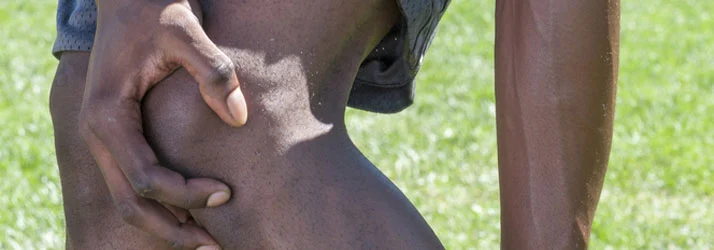
Knee pain in New York NY has a way of making even the simplest tasks feel surprisingly difficult. Whether it is climbing the stairs, getting up from a chair, or simply walking to the kitchen in the morning, an aching knee can quietly chip away at your daily comfort and independence. If you have been dealing with persistent or recurring knee discomfort, you are certainly not alone — it is one of the most common complaints we hear from patients at East Village Physical Medicine.
The good news is that there are several practical, evidence-informed steps you can take at home to manage your symptoms, support your recovery, and protect your knee health over the long term. These tips are not a substitute for professional care, but they can make a meaningful difference in how you feel day to day.
Understanding Why Your Knee Hurts
Before diving into home remedies, it helps to understand what might be going on. Knee pain can stem from a wide range of causes, including:
- Overuse or repetitive strain from exercise or daily activity
- Osteoarthritis, where the cartilage in the joint gradually wears down
- Tendinitis, an inflammation of the tendons surrounding the knee
- Ligament strains from sudden movements or twists
- Bursitis, caused by inflammation of the small fluid-filled sacs that cushion the joint
- Patellofemoral pain syndrome, commonly known as runner's knee
Each of these conditions responds differently to treatment, which is why identifying the root cause matters so much. That said, the home care strategies below are generally safe and supportive for most types of knee discomfort.
1. Rest Smartly — Without Going Too Far
When your knee flares up, it is tempting to either push through the pain or retreat to the sofa completely. Neither extreme is ideal. The goal is relative rest — reducing the activities that aggravate your knee while keeping it gently moving.
Prolonged immobility can actually stiffen the joint and weaken the surrounding muscles, which support and stabilise the knee. Instead, try switching to low-impact movement such as gentle walking, swimming, or seated leg exercises while you recover.
2. Apply Ice or Heat — and Know the Difference
Both ice and heat have their place in managing knee pain, but they work best in different situations:
- Ice is most helpful in the first 48 to 72 hours after an injury or during a flare-up when the knee feels warm, swollen, or inflamed. Apply an ice pack wrapped in a cloth for 15 to 20 minutes at a time.
- Heat is better suited to chronic stiffness and muscle tension. A warm compress or heat pad can ease tightness and improve circulation in the area.
Avoid applying either directly to bare skin, and never fall asleep with a heat pad in place.
3. Try Gentle Stretching and Strengthening Exercises
Movement is medicine — and for knee pain in particular, targeted exercise can be one of the most effective home-based tools available to you. Strengthening the muscles around the knee, especially the quadriceps, hamstrings, and glutes, takes pressure off the joint itself and helps it function more efficiently.
Some gentle exercises worth exploring include:
- Straight leg raises – Lie on your back, keep one leg straight, and slowly raise it to the height of your bent knee. Hold briefly, then lower.
- Seated hamstring stretches – Sit on the edge of a chair, extend one leg, and gently reach towards your foot until you feel a mild stretch behind the thigh.
- Calf raises – Stand near a wall for balance and slowly rise onto your toes, then lower back down.
- Glute bridges – Lie on your back with knees bent and feet flat, then slowly lift your hips towards the ceiling.
Start slowly and listen to your body. If any movement causes sharp or worsening pain, stop and seek professional guidance.
4. Manage Your Weight and Stay Hydrated
This one is worth mentioning gently — because it genuinely matters. Research consistently shows that even a modest reduction in body weight can significantly reduce the load placed on the knee joint with every step. For every pound of body weight, the knee experiences roughly three to four times that force during walking.
Staying well hydrated also supports joint health, as cartilage is largely composed of water. Aim to drink plenty of fluids throughout the day, particularly if you are active.
5. Review Your Footwear
Your feet are the foundation of your entire lower body, and the shoes you wear can have a surprising impact on your knee health. Worn-out trainers, unsupportive flat shoes, or poorly fitting footwear can all alter your gait and increase stress on the knee joint.
Look for shoes with good arch support and adequate cushioning, particularly if you spend long periods on your feet. If your pain is linked to your movement patterns or foot alignment, a physiotherapy assessment can help identify this.
Ready for a Personalised Plan? Book a Free Discovery Visit
Home care tips can provide real comfort and support — but if your knee pain has been going on for more than a few weeks, is getting worse, or is affecting your sleep, mobility, or daily life, it is time to get a proper professional assessment.
At East Village Physical Medicine, our team takes the time to understand exactly what is driving your knee pain — not just the symptoms, but the root cause — and builds a personalised treatment plan around your specific needs and goals.
Book a Free Discovery Visit today and take the first step towards feeling stronger, moving more freely, and getting back to the life you enjoy.
6. Elevate and Compress When Swelling Is Present
If your knee is visibly swollen, elevating the leg and using a compression bandage can help manage fluid build-up and reduce discomfort. When resting, try propping your leg up on a cushion so that the knee sits above the level of your heart.
Compression sleeves designed for the knee are widely available and can also provide gentle support during activity. Make sure any bandage or sleeve fits snugly but is not so tight that it restricts circulation.
7. Be Mindful of Your Daily Movement Habits
Sometimes small postural and movement habits contribute more to knee pain than people realise. Some things to be aware of include:
- How you sit – Avoid sitting with your knees crossed or bent tightly for long periods.
- How you climb stairs – Lead with your stronger leg going up, and your weaker leg going down.
- How you squat or lift – Bend at the hips and knees together, keeping your chest upright and weight through your heels.
These small adjustments, practised consistently, can reduce unnecessary strain on the knee over time.
When to Seek Professional Help
Home care has genuine value, but there are certain signs that should always prompt you to seek professional advice promptly:
- Sudden, severe, or unexplained knee pain
- Significant swelling or bruising
- Instability or a feeling that the knee may give way
- Pain that wakes you at night
- Difficulty bearing weight on the leg
Your knee health is worth taking seriously — and early intervention often leads to faster, more complete recovery.
Take the Next Step Towards Knee Pain Relief in New York NY
Living with knee pain does not have to be your normal. With the right support, the right treatment, and a personalised plan built around your goals, meaningful improvement is absolutely achievable.
Book your Free Discovery Visit at East Village Physical Medicine and let our team help you understand what is causing your discomfort and what can be done about it. You deserve to move well, feel well, and live well.
Disclaimer: The information in this blog post is intended for general educational purposes only and does not constitute medical advice. Please consult a qualified healthcare professional before beginning any new treatment or exercise programme, particularly if your pain is severe, sudden, or accompanied by swelling, instability, or other concerning symptoms.

CHIROPRACTIC OFFICE HOURS
Monday
10:45am - 1:00pm
2:45pm - 7:00pm
Tuesday
2:30pm - 7:00pm
Wednesday
10:45am - 1:00pm
2:45pm - 7:00pm
Thursday
10:45am - 1:00pm
2:45pm - 7:00pm
Friday
Open By Appointment Only
Saturday & Sunday
Closed
NATUROPATHIC OFFICE HOURS
Tuesday - Virtual or In Person
11:00am - 1:00pm
4:00pm - 8:00pm
Wednesday - Virtual or In Person
11:00am - 2:00pm
3:00pm - 7:00pm
Friday - Virtual Only
12:00pm - 3:00pm

East Village Physical Medicine
33 E 7th St
New York, NY 10003